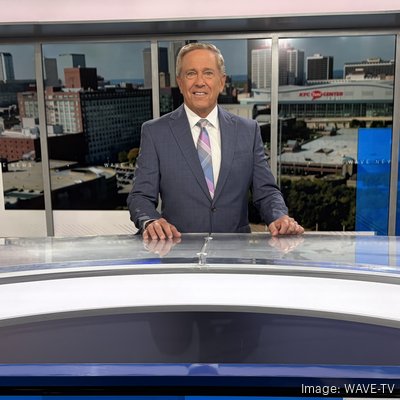

If you’ve been following Louisville TV news lately, you may have noticed a familiar face missing from WDRB. Scott Reynolds, one of the most recognized anchors in the city, is no longer there. And a lot of people want to know why.
This article walks through what happened — clearly and honestly. We’ll look at why he left WDRB, how it fits into his longer career story, and what this kind of move tells us about the business side of local TV news.
Who Scott Reynolds Is and Why Louisville Pays Attention
Scott Reynolds isn’t just another news anchor. He’s been a fixture in Louisville TV news since the mid-1990s. That’s more than two decades of showing up on people’s screens, night after night, delivering the news.
He spent many of those years as an evening anchor at WAVE, the NBC affiliate in Louisville, before eventually making his way to WDRB. By the time WDRB announced his hire in 2019, they noted he already had 22 years of Louisville anchoring experience behind him.
Local media commentator Terry Meiners has described him as an “iconic” Louisville anchor. That word gets thrown around a lot, but in Reynolds’ case it fits. When he moves stations, people notice. When he says goodbye on air, it becomes local news. That kind of viewer loyalty is rare, and it matters — both to audiences and to the stations competing for them.
How He Left WAVE in 2018 — and Why That Story Matters Here
To really understand why Reynolds left WDRB, it helps to look at what happened at WAVE first. The two situations share some important similarities.
In October 2018, WAVE informed Reynolds that his contract would not be renewed when it expired at year’s end. This wasn’t his choice — station management made that call. He said a public, on-air goodbye to WAVE viewers in December 2018, and by his own admission, the departure was emotional. He hadn’t planned to be in Louisville as long as he had been, but life kept him there.
After leaving WAVE, a nine-month non-compete clause kicked in. That meant he legally could not anchor for a competing Louisville station during that period. Think of it like an executive who leaves a company and has to sit out before joining a rival. It’s a common contractual condition in local TV, and it directly shaped the timing of his next move.
Once that window passed, he was free to sign with another station — and he did.
Why WDRB Hired Reynolds in 2019 — and What His Role Was There
Reynolds joining WDRB in 2019 wasn’t just a career landing spot. It was a strategic move for both sides.
WDRB was launching a new 5 p.m. newscast at the time and needed a credible, familiar face to anchor it. Hiring someone viewers already trusted — someone with over two decades of local recognition — helped the station build that new program’s audience faster than they could have with an unknown anchor.
Reynolds himself described the move positively. He said he had been watching WDRB’s “tremendous growth” and was excited to join what he saw as a “strong and growing newsroom.” He became a central part of their evening lineup and was actively branded as “Scott Reynolds WDRB” across social media platforms.
For a few years, it seemed like a solid fit. He was visible, active, and associated closely with the station’s identity.
What Actually Happened When He Left WDRB
This is the part most people are searching for, so let’s be straightforward about it.
According to commentary from Louisville media personality Terry Meiners, Reynolds was surprised to find out he was being released from WDRB — even while he had been actively working on a new contract with station management. That detail is important. It points to a management decision, not a voluntary resignation.
No official WDRB corporate statement has been released publicly explaining the reasoning in detail. And importantly, no credible source suggests any scandal, misconduct, or on-air conflict behind the exit. What the available information points to is a contract and personnel decision made by station leadership — similar in structure to what happened at WAVE years earlier.
It’s worth being clear: Reynolds didn’t quit in protest. He didn’t walk off over a news story or editorial disagreement. The evidence simply points to management choosing not to continue his contract, much like a sports team that decides not to renew a player’s deal even when that player is still performing.
What Reynolds Did After Leaving WDRB
After the WDRB exit, Reynolds didn’t rush into the next thing. He stepped back for roughly nine months and focused on what he described as family, faith, and personal priorities. He treated it as a reset — a chance to reassess before choosing his next step carefully.
That kind of pause is worth noting. When a management decision forces a change you didn’t plan for, you have two options: react quickly or take stock. Reynolds chose the latter. And based on how he’s talked about that period, it sounds like it was meaningful to him, not just a waiting game.
Where Scott Reynolds Is Now
After that nine-month gap, Reynolds returned to WAVE — the same station where his Louisville story really began. WAVE brought him back as part of its effort to strengthen its news lineup in a competitive market.
Local media watchers framed the return as a significant moment. One outlet described it as a “major shift in Louisville’s television landscape.” That might sound like an overstatement, but it reflects how much viewer loyalty Reynolds carries. When he shows up on a station, people follow.
His return to WAVE after roughly seven years away also closes a circle of sorts. He started there, left under circumstances he didn’t fully control, and now he’s back — this time by deliberate choice.
What This Tells Us About the Business of Local TV News
Reynolds’ career moves are a pretty clear window into how local TV news actually works as a business. A few things stand out.
Contracts drive anchor movement. Reynolds didn’t leave WAVE or WDRB because he wanted to wander. Both exits came down to contract decisions made by station management. Anchors, no matter how established, are still operating within agreements that can be ended by someone else.
Non-compete clauses create gaps. After leaving WAVE, Reynolds had a nine-month window where he couldn’t anchor for a competing Louisville station. A similar gap appeared between his WDRB exit and his WAVE return. These aren’t accidents — they reflect standard contractual language that controls how and when talent can move.
Familiar faces are business assets. When WDRB needed to launch a new newscast, they didn’t gamble on an unknown. They brought in someone with two decades of local recognition. WAVE did the same when they brought Reynolds back. Viewer loyalty translates directly to ratings, and ratings drive advertising revenue. A trusted anchor isn’t just a good hire — they’re a strategic one.
If you’re interested in how business decisions shape careers beyond local TV, Wise Business Guide covers those kinds of dynamics across a wide range of industries.
Clearing Up the Confusion
One thing worth addressing: some people online mix up Reynolds’ 2018 WAVE departure with his later WDRB exit. These are two separate events, years apart, with different ownership, different circumstances, and different outcomes. They share a structural similarity — contract non-renewals — but they’re not the same story.
Also, there’s no version of events supported by credible sources that involves a scandal, a falling out over a specific story, or anything along those lines. If you’ve seen speculation like that floating around, it isn’t backed up by the available reporting.
Final Thoughts
Scott Reynolds leaving WDRB came down to a management decision — one that, by most accounts, caught him off guard while he was still trying to finalize a new deal. It mirrors what happened at WAVE in 2018 more closely than it might seem.
He took the time to step back, focus on what mattered to him personally, and then made a deliberate choice about what came next. That choice led him back to WAVE, where viewers who’ve followed his career for decades can find him again.
His story is a useful reminder that in local TV news, the business side is always running in the background — shaping when people appear on screen, when they disappear, and where they eventually land.
You may also like: